What Are the Best Audio Devices Right Now?
Contents
- 1 Introduction
- 2 How to Pick the Best Audio Devices?
- 3 Bluetooth Earbuds (ANC Budget Models)
- 4 Bone-Conduction Headphones
- 5 Smartwatches (Android-Compatible) with Audio Features
- 6 Wireless Gaming Headsets
- 7 Pros and Cons (Across Categories)
- 8 Who Should Buy These Audio Devices?
- 9 Who Should Avoid Them?
- 10 Comparison With Alternatives
- 11 Pricing, Value for Money & Availability
- 12 FAQs
- 13 Final Verdict: So, What Are the Best Audio Devices Right Now?
Introduction
If you’ve recently used a modern phone like the Google Pixel 8 Pro, you already know how much sound quality affects daily life, from podcasts and music to calls and video content. Audio devices are no longer a “nice-to-have.” They are central to how we work, relax, and stay connected.
Most people don’t realize their frustration isn’t with the content they’re listening to, it’s with the device delivering it. Tinny speakers, uncomfortable headphones, unreliable Bluetooth, or “good on paper” specs that fall apart in real use are common problems.
That’s why so many users, casual listeners, and professionals alike are actively searching for the best audio devices right now, not the most expensive or hyped ones, but the ones that actually work well day after day.
This guide isn’t about chasing trends. It’s about helping you understand which audio devices genuinely make sense today, based on real usage, practical needs, and honest value.
How to Pick the Best Audio Devices?
Rather than pushing a single “best product,” this review focuses on the best audio device categories based on how people actually use them today.
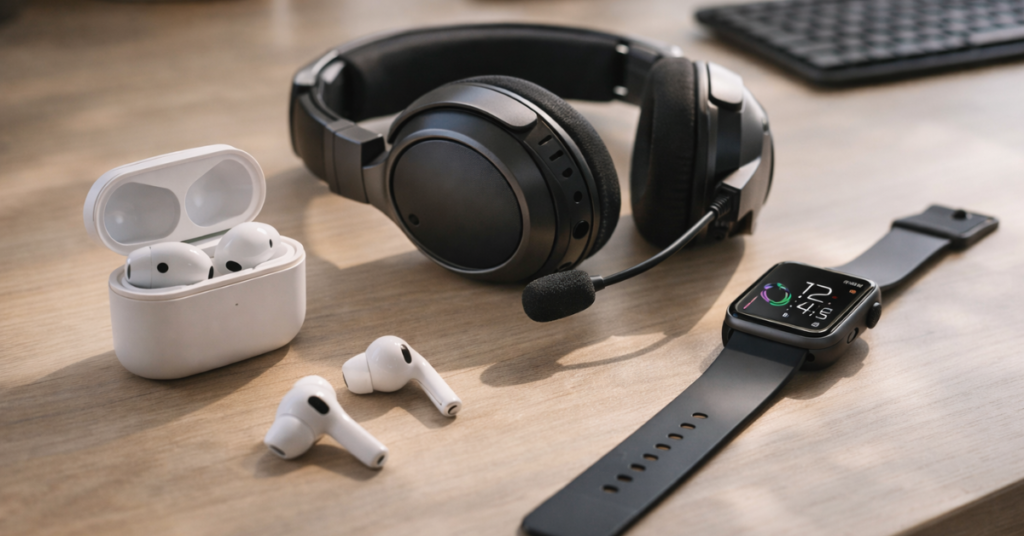
We’ll cover four major categories that dominate real-world use:
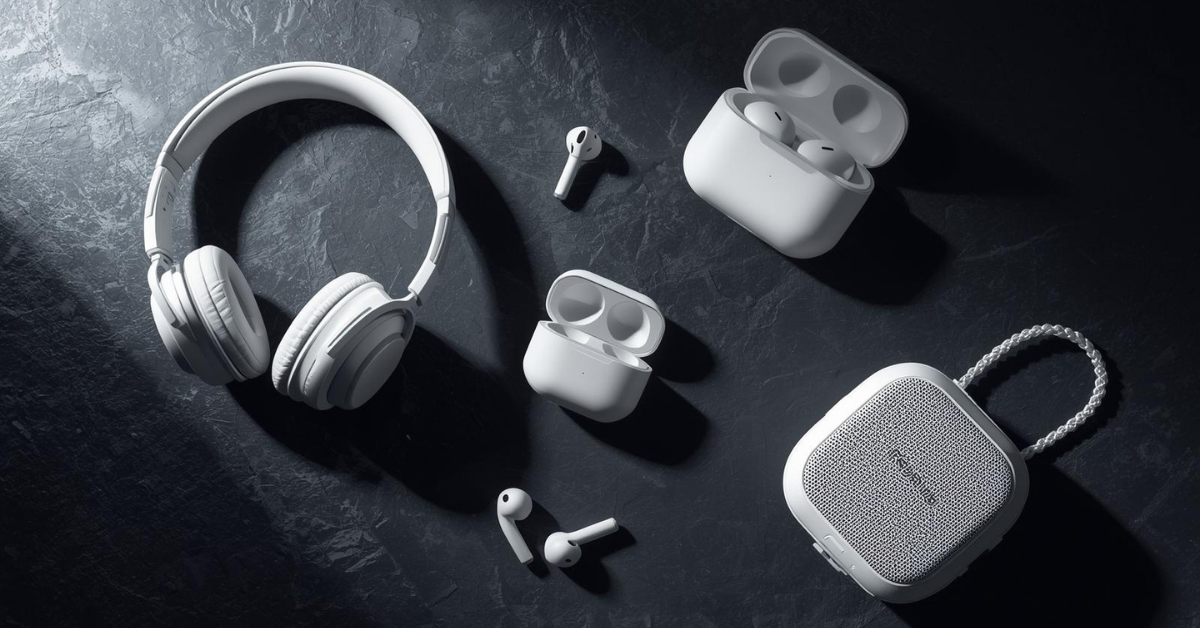
- Bluetooth earbuds (ANC budget models)
- Bone-conduction headphones
- Smartwatches (Android-compatible) with audio features
- Wireless gaming headsets
This guide is designed for:
- General users who want convenience and value
- Professionals who care about comfort, clarity, and reliability
It’s not for audiophiles chasing studio-grade perfection or people who enjoy tweaking EQs endlessly.
Looking for everyday earbuds that just work?
A well-tuned budget ANC model can handle commuting, calls, and casual listening without overpaying for features you’ll never use.
👉 See which budget ANC earbuds offer the best real-world value right now.
Bluetooth Earbuds (ANC Budget Models)
Why This Category Matters
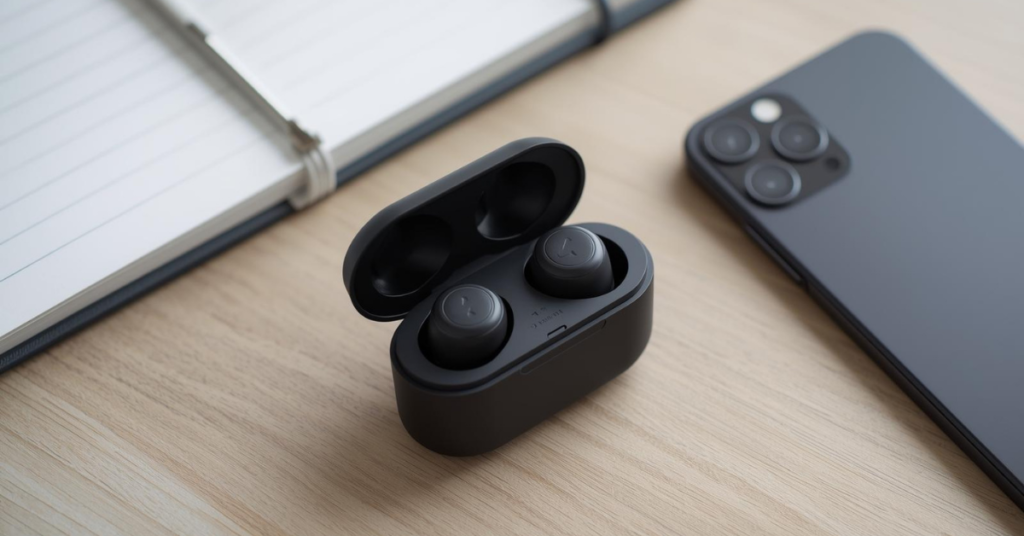
For most people, Bluetooth earbuds with Active Noise Cancellation have become the default audio device. They’re small, portable, and work seamlessly with phones like the Google Pixel 8 Pro.
Budget ANC earbuds have improved dramatically in the last two years. You no longer need to spend premium prices to get decent noise reduction and usable sound.
Key Features & How They Actually Work
- Active Noise Cancellation (ANC):
Budget ANC won’t silence the world completely, but it significantly reduces low-frequency noise like traffic, engines, and air conditioners. - Transparency / Ambient Mode:
Lets outside sound in when walking or commuting. Useful, but often sounds slightly artificial on budget models. - Battery Life:
Expect 5–7 hours per charge with ANC on, plus multiple recharges from the case. - Bluetooth Stability:
Modern budget earbuds connect quickly and stay stable, especially with newer Android phones.
Real-World Experience
In daily use, budget ANC earbuds feel liberating. You can throw them in your pocket, take calls, listen to podcasts, or block out noise while working.
The trade-offs are subtle:
- Bass can overpower mids
- ANC struggles with sudden loud noises
- Touch controls sometimes misfire
Still, for commuting, casual listening, and travel, this category offers the best value-to-convenience ratio today.
👉 If you want simple, everyday audio without spending premium money, this is where most people should start.
Still deciding what actually fits your daily routine?
Instead of chasing the most expensive option, take a minute to compare how today’s top audio devices perform in real-world use — battery life, comfort, and long-term value matter more than specs on paper.
👉 Explore carefully selected audio devices that balance performance and price.
Bone-Conduction Headphones
Who They’re Really For
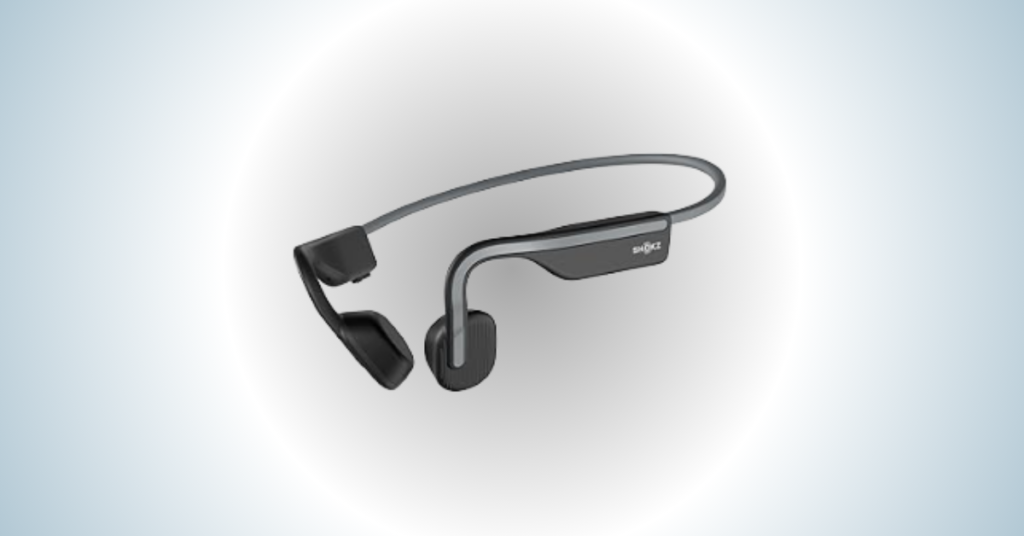
Bone-conduction headphones don’t go inside your ears. Instead, they rest on your cheekbones and transmit sound through vibration.
This category exists for safety and awareness, not audio purity.
How They Work in Practice
- Your ears stay completely open
- You hear music and your surroundings
- Sound quality is clear but not immersive
Real-World Usage
These are ideal for:
- Outdoor runners
- Cyclists
- Warehouse workers
- Anyone who needs constant situational awareness
However, they take time to get used to. The sensation feels strange at first, and bass response is minimal.
They’re not meant for:
- Loud environments
- Music lovers
- Long listening sessions indoors
👉 If safety matters more than sound richness, bone-conduction headphones are a smart, responsible choice.
If awareness matters more than immersion, bone-conduction headphones are worth considering — especially for outdoor or safety-focused use.
👉 Compare reliable bone-conduction options designed for active lifestyles.
Smartwatches (Android-Compatible) with Audio Features
Why Smartwatches Are Now Audio Devices
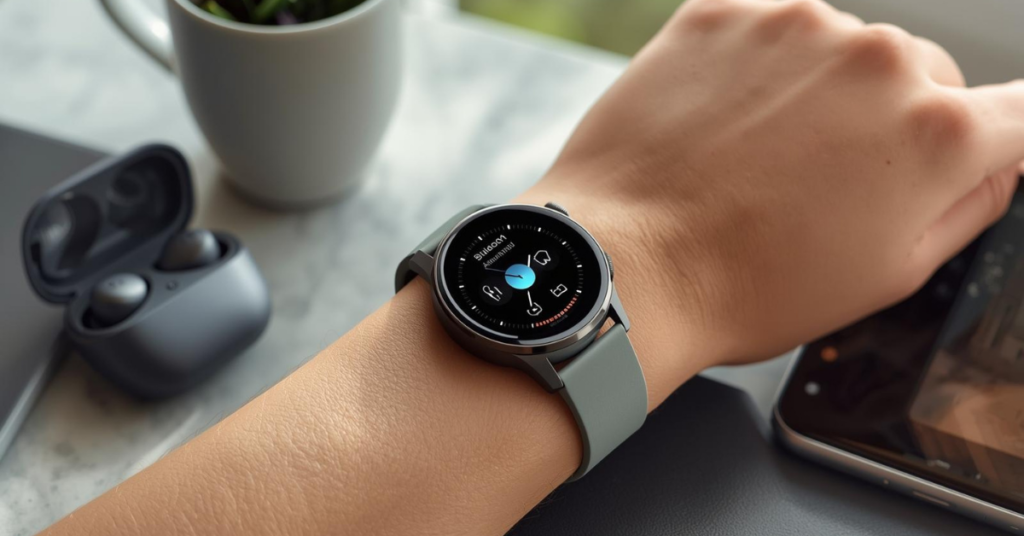
Modern Android-compatible smartwatches can:
- Play music
- Control audio playback
- Take Bluetooth calls
- Store offline playlists
Paired with phones like the Google Pixel 8 Pro, they become a secondary audio hub.
Practical Benefits
- Leave your phone behind during workouts
- Control music without pulling out your phone
- Quick call handling with built-in speakers
Real-World Limitations
- Tiny speakers = limited loudness
- Battery drains quickly with audio use
- Not ideal for private listening
Smartwatches don’t replace earbuds, but they complement them beautifully.
Already wearing a smartwatch every day?
You might be surprised how much convenience audio features add when paired with the right Android device.
👉 Discover Android-compatible smartwatches with practical audio features.
Wireless Gaming Headsets
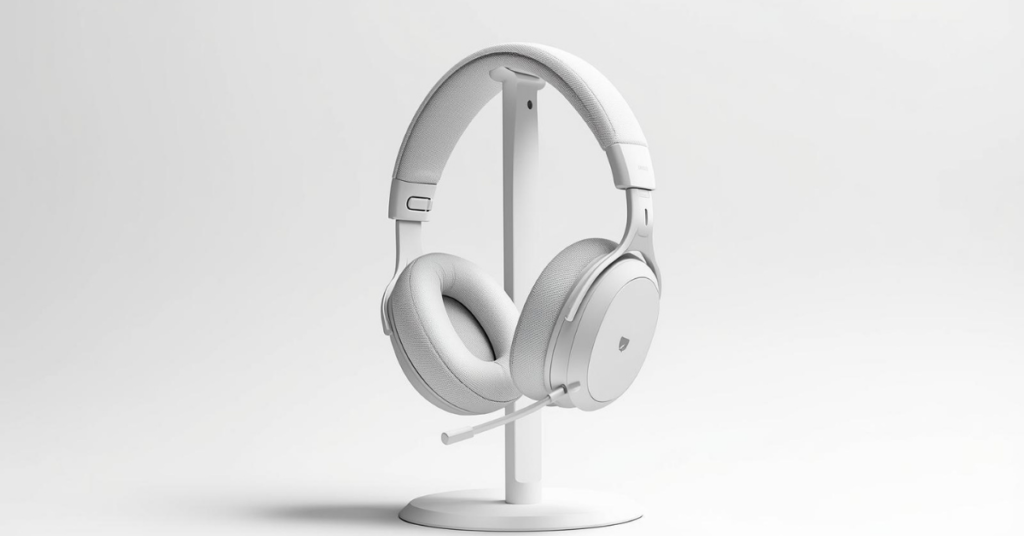
What Gamers Actually Need
Forget flashy RGB and marketing buzzwords. A good wireless gaming headset needs:
- Low latency
- Clear microphone quality
- Comfortable long-session wear
Real-World Performance
Modern wireless gaming headsets have solved most latency issues using dedicated dongles instead of Bluetooth.
Pros:
- Freedom of movement
- Solid directional audio
- Better mic clarity than earbuds
Cons:
- Bulky design
- Limited outdoor use
- Average music performance
These are purpose-built tools, not lifestyle accessories.
For serious gaming sessions, audio clarity and comfort matter far more than flashy designs.
👉 View wireless gaming headsets built for long sessions and low latency.
Pros and Cons (Across Categories)
Pros
- Massive choice for every budget
- Wireless convenience is better than ever
- Strong Android integration
- Improved battery efficiency
Cons
- Marketing exaggerates differences
- Budget models vary widely in quality
- No single device fits all use cases
Who Should Buy These Audio Devices?
You’ll benefit most if you:
- Use audio daily (calls, music, podcasts)
- Commute or travel regularly
- Work remotely or game frequently
- Value convenience over perfection
Who Should Avoid Them?
You may want alternatives if:
- You’re an audiophile with studio headphones
- You need professional recording equipment
- You dislike charging devices frequently
Comparison With Alternatives
- Wired headphones: Better sound, less convenience
- Over-ear audiophile cans: Superior audio, zero portability
- Cheap knockoffs: Lower price, unreliable performance
For most users, modern wireless audio devices strike the best balance.
Pricing, Value for Money & Availability
- Budget earbuds: Best value overall
- Bone-conduction: Niche but justified pricing
- Smartwatches: Value depends on ecosystem
- Gaming headsets: Worth it if used daily
👉 Spend based on usage frequency, not hype.
FAQs
1. Are budget ANC earbuds worth it?
Yes, for everyday noise reduction and casual listening.
2. Do bone-conduction headphones damage hearing?
Generally safer since volume levels stay lower.
3. Can smartwatches replace earbuds?
No, but they complement them well.
4. Are wireless gaming headsets better than wired?
For convenience, yes. For pure audio, wired still wins.
5. Which works best with Android phones?
Most modern devices integrate well, especially with Pixel phones.
6. How long do these devices last?
2–4 years with normal use and battery care.
The right audio device isn’t the most expensive one — it’s the one you’ll actually use every day.
Whether you’re commuting, working, training, or gaming, choosing based on real-world needs leads to better long-term satisfaction.
👉 Browse carefully selected audio devices trusted for everyday use and long-term value.
Final Verdict: So, What Are the Best Audio Devices Right Now?
There is no single “best” audio device, only the best choice for how you live, so for:
- Everyday use: Budget ANC earbuds
- Safety: Bone-conduction headphones
- Convenience: Smartwatches with audio control
- Gaming: Wireless gaming headsets
If you’re using a modern phone like the Google Pixel 8 Pro, today’s audio ecosystem finally feels mature, practical, and flexible.
The smartest purchase isn’t the most expensive one, it’s the one you’ll actually use every day.
Still deciding? Explore more Tech Accessories reviews, comparisons, and buying guides on our site to find the best option for you.